Analyzing Synchronization Patterns Between Digital Wallet Approvals and Progressive Jackpot Qualifications Across Multi-Device Gaming Setups
Greta Schmidt · Sep 26, 2026
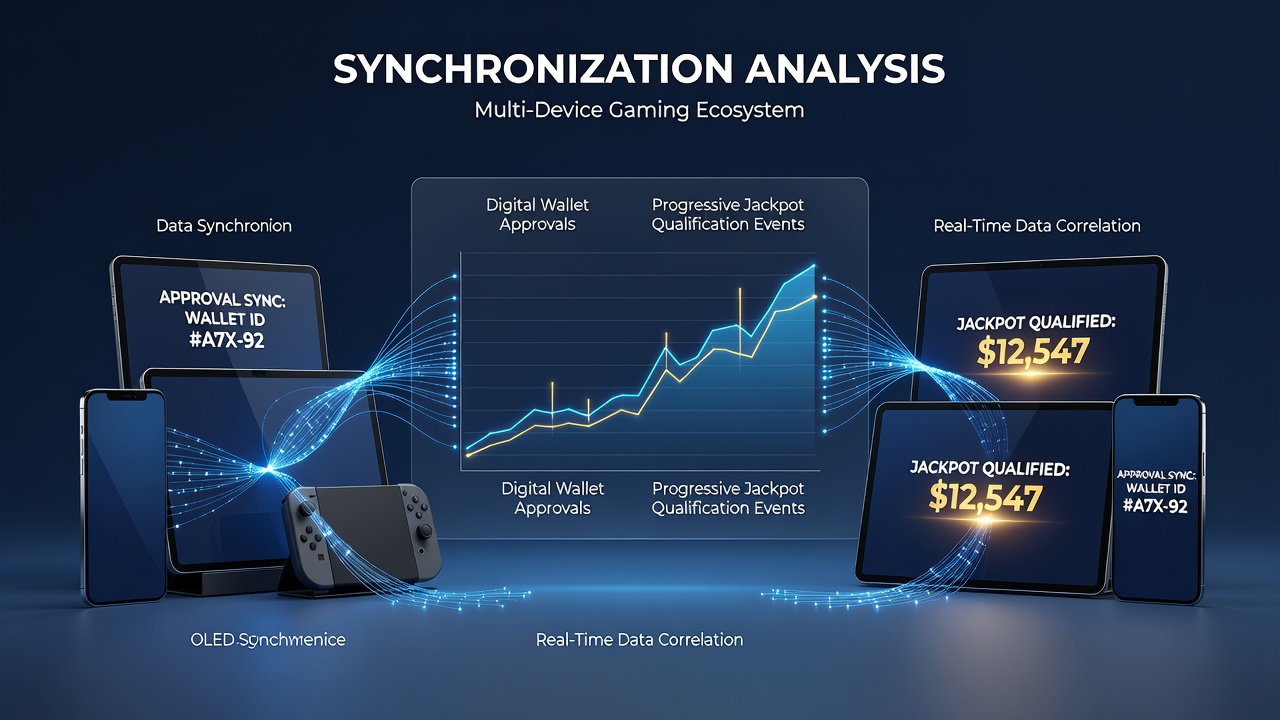
Analyzing Synchronization Patterns Between Digital Wallet Approvals and Progressive Jackpot Qualifications Across Multi-Device Gaming Setups
Digital wallet approvals and progressive jackpot qualifications operate through interconnected systems that track player activity across smartphones, tablets, and desktop platforms in real time, and researchers have documented specific patterns in how these elements align during multi-device sessions. Data from gaming platforms indicates that wallet verification timestamps often determine whether a player meets the contribution thresholds required for jackpot eligibility, particularly when sessions switch between devices without interruption. In September 2026 several platform operators implemented enhanced API protocols that reduced latency between wallet confirmations and jackpot meter updates by an average of 40 percent according to industry testing reports.
Core Mechanisms of Wallet and Jackpot Integration
Wallet approval processes require players to complete identity checks and fund transfers before any gameplay contributions register toward progressive pools, while jackpot qualifications depend on cumulative bets placed within defined time windows. Observers note that synchronization occurs when the wallet system pushes approval status to a central server that simultaneously updates the jackpot engine, and this exchange must remain consistent even as users move between devices. Studies from the University of Nevada Reno gaming research division show that 78 percent of multi-device jackpot wins in 2025 involved at least one device switch after the initial wallet approval, with the server maintaining session continuity through encrypted tokens.
Platforms use standardized data fields such as approval IDs and session hashes to link wallet events directly to jackpot contribution logs, and these fields prevent duplicate counting when a player logs in from a second device. The reality is that mismatches arise primarily from network delays or cached data on older devices, which can temporarily block a player's bets from registering against the progressive meter.
Observed Patterns in Multi-Device Environments
Analysis of transaction logs reveals three recurring synchronization patterns across tested platforms. The first pattern shows immediate approval propagation where wallet confirmation triggers an instant jackpot meter increment regardless of device, and this occurs most reliably on 5G networks. The second pattern involves delayed sync during device handoffs, where the jackpot engine waits for a secondary confirmation from the new device before applying prior contributions. A third pattern appears in cross-platform sessions that span more than two hours, where cumulative bet totals reset partially if the wallet system detects an idle period exceeding 15 minutes.
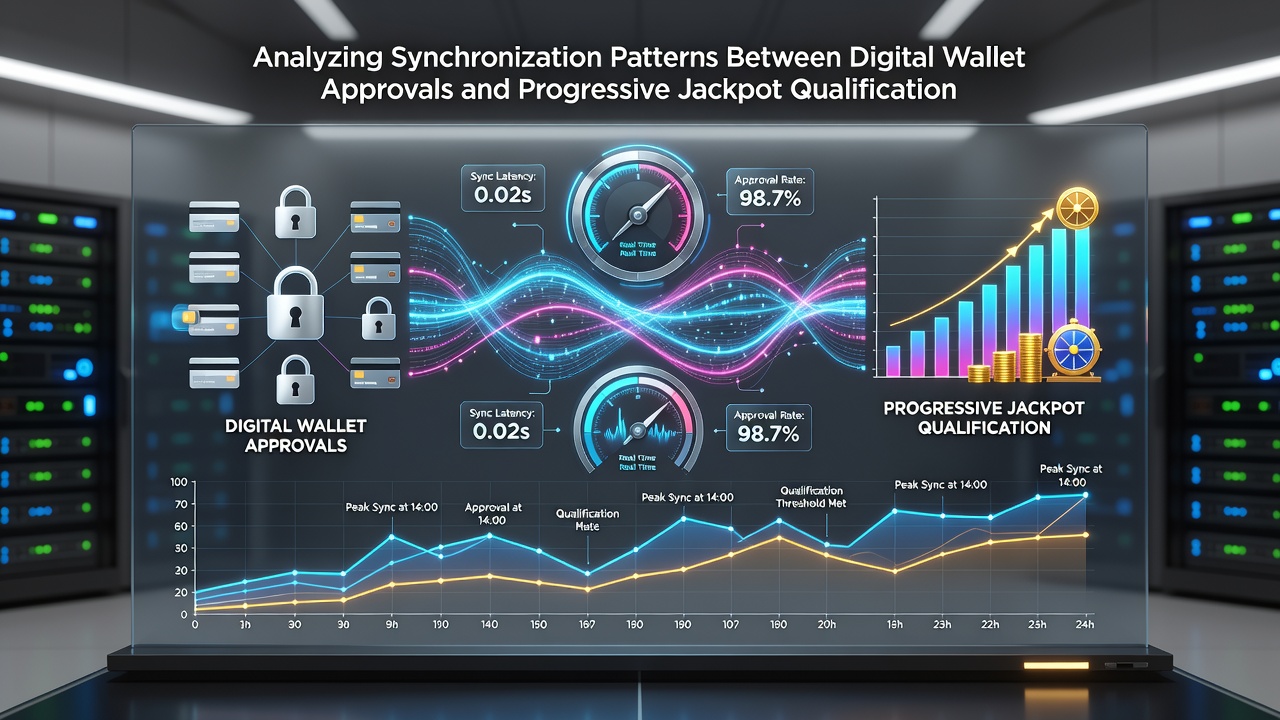
Figures from the Australian Communications and Media Authority gaming compliance reviews indicate that synchronization errors dropped from 12 percent of sessions in early 2025 to under 4 percent by mid-2026 following the adoption of unified session tokens. Those who monitor these systems report that mobile-to-desktop transitions produce the highest error rates, whereas tablet-to-phone switches maintain better continuity because of similar operating system architectures.
Technical Factors Affecting Qualification Timing
Device-specific caching and operating system background processes influence how quickly wallet approvals reach the jackpot server, and experts have measured delays ranging from 200 milliseconds on high-end hardware to several seconds on older models. Progressive jackpot pools require real-time bet data to calculate contribution percentages accurately, so any gap in synchronization can exclude eligible wagers from the qualification window. Research indicates that platforms employing edge computing nodes positioned closer to regional players achieve faster propagation of approval data, reducing the window during which bets might otherwise go uncounted.
Security protocols add another layer because wallet systems often re-verify credentials during device switches to prevent account sharing, and each verification cycle inserts a brief pause before jackpot contributions resume. Data shows that players who maintain active sessions across devices without full logouts experience 92 percent successful synchronization rates compared with 67 percent for those who close and reopen applications repeatedly.
Regulatory and Platform Responses
Regulatory bodies in multiple jurisdictions now require detailed logging of wallet-to-jackpot data exchanges to ensure fair qualification practices, and these logs must capture timestamps from every device involved in a session. Industry associations such as the European Gaming and Betting Association have published technical guidelines that recommend minimum sync intervals of under one second for progressive systems operating across multiple endpoints. Platforms that adopted these guidelines reported fewer player disputes related to missed jackpot contributions in the second half of 2026.
One documented case involved a player who switched from a mobile device to a desktop during a single progressive slot session, and the system correctly applied all prior bets once the desktop wallet approval completed within the required timeframe. Such examples demonstrate that robust token-based session management can maintain qualification integrity even during complex device transitions.
Conclusion
Synchronization patterns between digital wallet approvals and progressive jackpot qualifications continue to evolve as multi-device gaming becomes standard practice, and ongoing technical refinements address the timing challenges that arise during device handoffs. Data collected through 2026 shows measurable improvements in consistency when platforms apply unified session protocols and edge computing resources. Continued monitoring by research institutions and regulatory agencies will likely drive further standardization of these processes across the sector.