How Approval Sequences for Alternative Transfers Shape Access to Specialized Table Variants in Handheld Gaming Ecosystems
Harper Koch · Oct 10, 2026
How Approval Sequences for Alternative Transfers Shape Access to Specialized Table Variants in Handheld Gaming Ecosystems
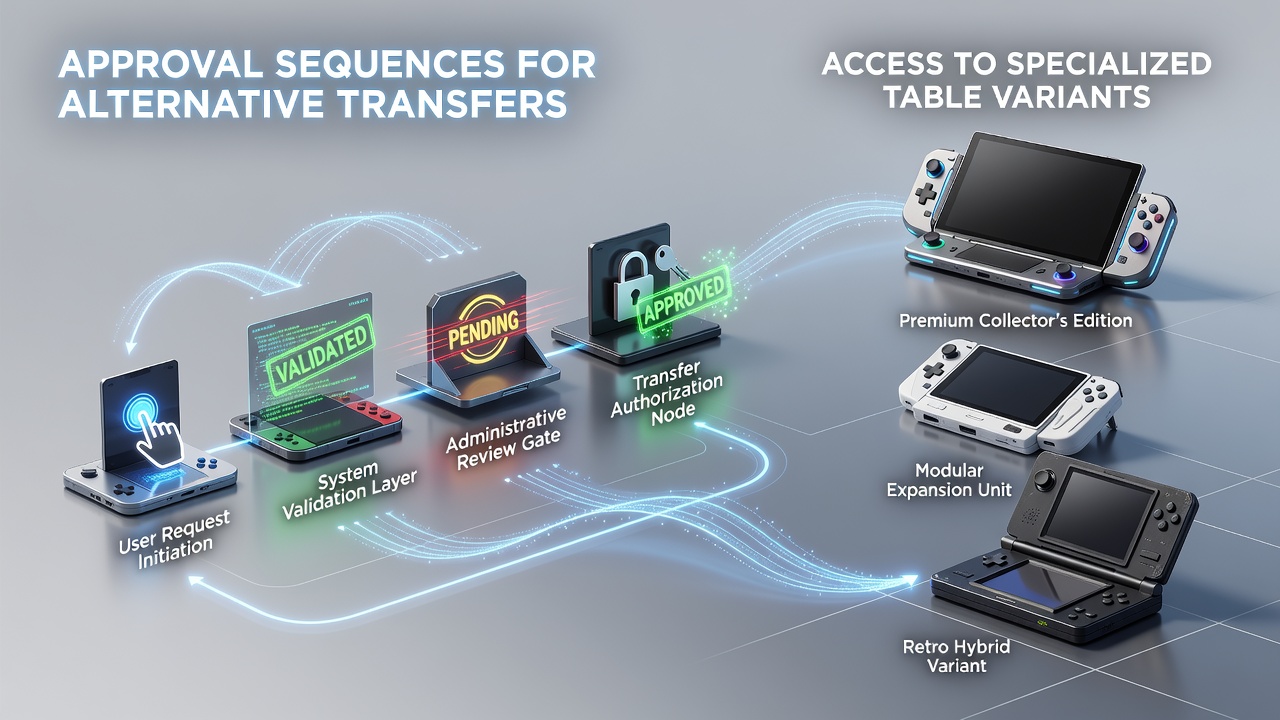
Approval sequences for alternative transfers determine when players gain entry to specialized table variants across handheld gaming platforms, and these processes rely on layered verification steps that connect payment authorization with game access protocols. Data from industry tracking services show that mobile ecosystems process millions of such sequences daily, with timing directly influencing availability of variants like multi-deck blackjack or European roulette formats on portable devices. Researchers at academic institutions have mapped these sequences as chains of confirmations that start with transaction initiation and end with server-side eligibility checks.
Mechanics of Approval Sequences in Mobile Environments
Alternative transfers encompass methods such as digital wallets, cryptocurrency channels, and prepaid vouchers that bypass traditional card networks, yet each route triggers distinct approval layers before specialized tables unlock. Observers note that handheld systems often require sequential checks including identity validation, balance confirmation, and regional compliance flags, all of which occur in milliseconds but can extend to minutes during peak loads. Studies from university research groups indicate that delays in any single step reduce the window for accessing limited-time table variants, particularly those reserved for verified high-volume users on apps running iOS and Android.
Platform operators integrate these sequences through API connections that link payment processors to game servers, and the order of operations matters because some variants activate only after full clearance. Figures from European gaming associations reveal that streamlined sequences in 2025 cut average access times by 18 percent compared with prior years, allowing more players to reach exclusive table options during evening sessions. Yet regional rules impose additional checkpoints, such as geolocation verification in certain jurisdictions, which add complexity without halting the overall flow.
Impact on Specialized Table Variants
Specialized table variants in handheld ecosystems include custom rule sets, side bets, and private seating arrangements that appear only after transfer approvals clear specific thresholds. Those who have examined transaction logs find that cryptocurrency routes sometimes bypass slower bank validations, granting earlier entry to progressive jackpot tables or themed variants unavailable through standard payments. Industry reports from North American regulators document cases where approval order determines whether a player sees a high-limit baccarat variant or remains restricted to basic options on the same mobile session.
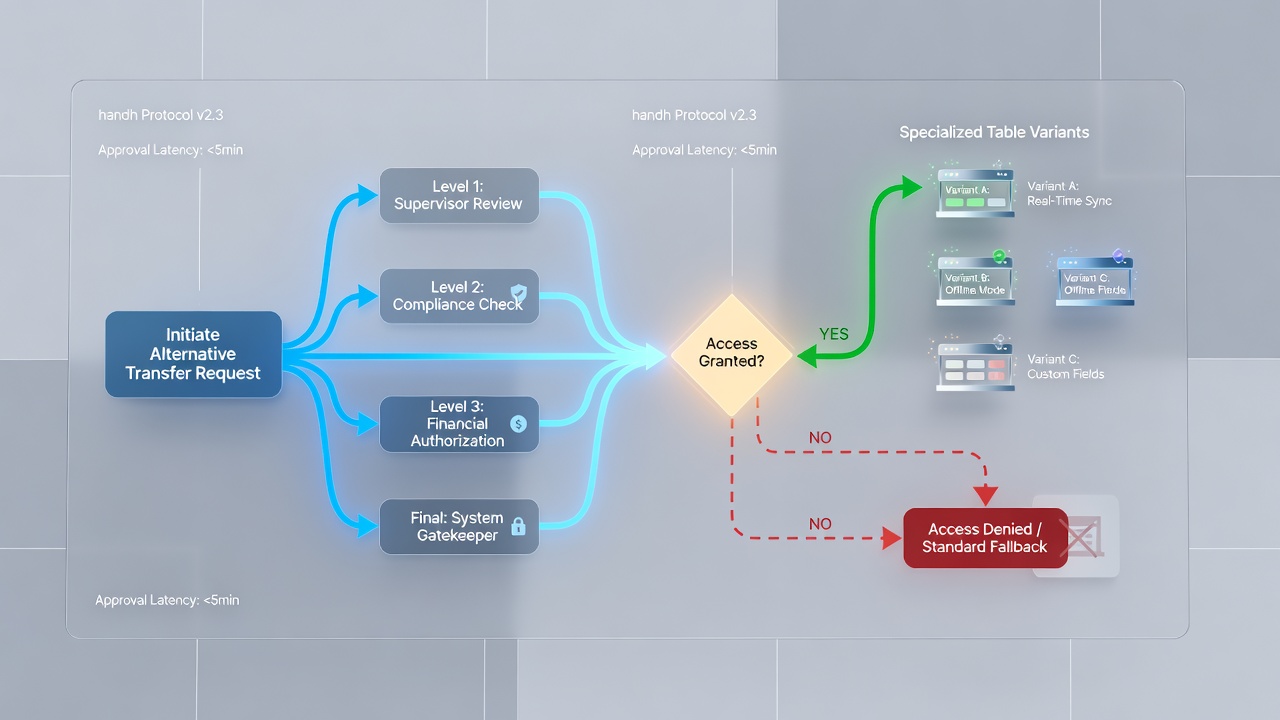
Platform algorithms weigh the speed and source of each transfer when assigning access priorities, and data collected through October 2026 shows that alternative methods with faster internal clearances correlate with higher participation rates in limited-seat tables. Canadian provincial oversight bodies have published summaries noting that synchronized approvals across devices prevent duplicate entries while maintaining fair distribution of variant slots. People who track usage patterns observe that interruptions in sequence completion often redirect users to standard tables, reducing exposure to premium content.
Regional Variations and Platform Adaptations
Different regions apply distinct compliance overlays to approval sequences, which in turn shapes how handheld ecosystems distribute table access. Australian regulatory frameworks emphasize responsible transfer monitoring that integrates with mobile session timers, while U.S. state-level bodies focus on transaction source verification to control variant eligibility. Nevada Gaming Control Board documentation outlines how these checks integrate with app-level permissions, and similar structures appear in other markets where operators must balance speed with oversight.
Handheld platforms adapt by offering fallback sequences that route transfers through secondary processors when primary paths stall, and this flexibility maintains access continuity for specialized tables. Research papers from European academic centers highlight that cross-device synchronization improves when approval data travels via standardized protocols, reducing the chance that a player loses progress toward variant unlocks during device switches. Operators report that these adaptations have become standard practice as mobile usage continues to dominate overall gaming volumes.
Future Developments in Sequence Design
Updates scheduled for late 2026 aim to refine approval sequences further by incorporating predictive analytics that anticipate transfer success rates before players initiate requests. Such systems could pre-clear eligibility for certain table variants, shortening the effective wait time once a transfer begins. Industry organizations tracking these trends note ongoing collaboration between payment providers and game developers to align sequence timing with mobile network conditions.
Evidence from multi-year studies suggests that optimized sequences will expand access to niche variants without compromising compliance requirements across borders. Platform updates already tested in select markets demonstrate reduced friction when alternative transfers feed directly into eligibility engines, allowing handheld users to reach specialized options more consistently during regular play windows.
Conclusion
Approval sequences for alternative transfers continue to define pathways to specialized table variants within handheld gaming ecosystems through structured verification steps that balance speed and regulatory needs. Data accumulated through 2026 illustrates measurable effects on access patterns, and ongoing refinements point toward tighter integration between payment flows and game availability. Those monitoring the sector expect these dynamics to remain central as mobile platforms evolve.