How Recent Software Integrations Are Reshaping Reward Accumulation Timelines for Mobile Live Dealer Participants
Klara Washington · Oct 24, 2026
How Recent Software Integrations Are Reshaping Reward Accumulation Timelines for Mobile Live Dealer Participants
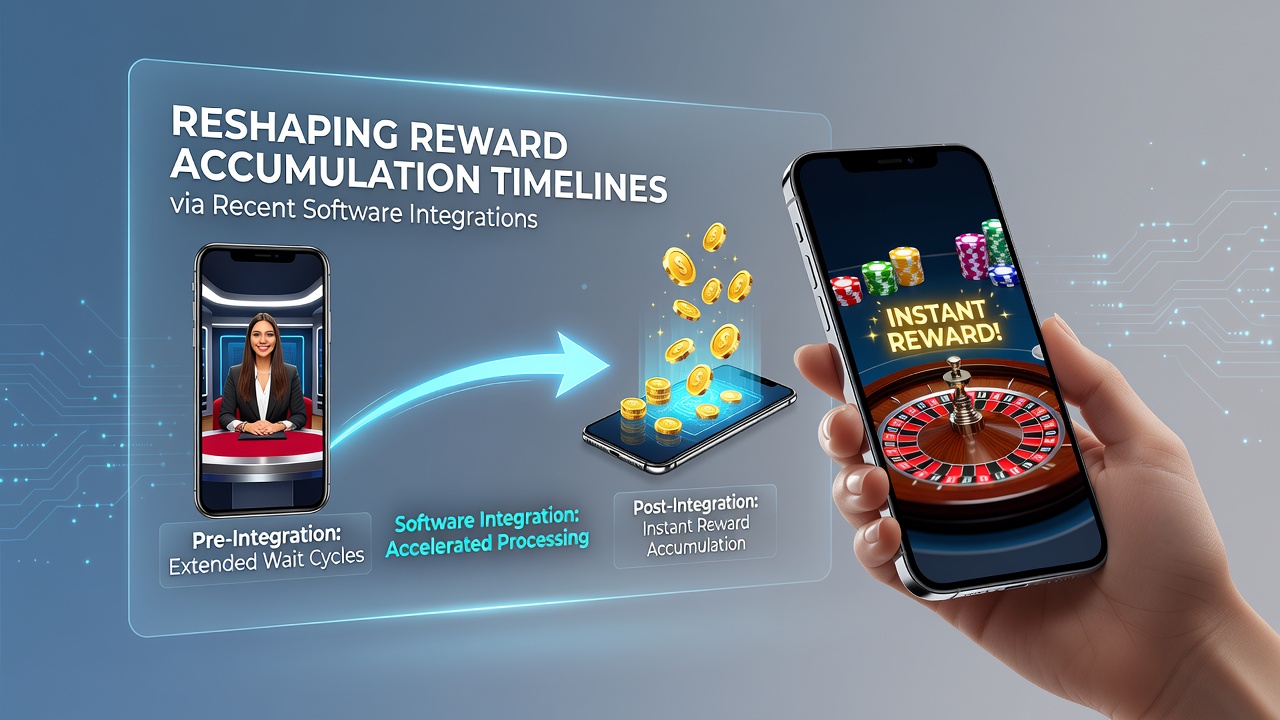
Software integrations between live dealer streaming platforms and mobile reward engines have accelerated the pace at which participants collect points and credits during sessions on portable devices, and these changes became particularly noticeable after major updates rolled out through 2025 into October 2026. Live dealer games such as roulette and blackjack rely on continuous video feeds combined with backend tracking systems, so when developers link new middleware layers to existing casino management software the data flow from each hand or spin reaches the accumulation ledger in shorter intervals. Observers note that these connections reduce the previous lag between game events and point registration, which once stretched across several minutes on older mobile applications.
Core Technical Connections Driving Faster Processing
Integration of real-time data pipelines with cloud-based analytics tools allows mobile applications to sync player activity directly with central servers without intermediate batch processing steps, and this setup draws from advances in edge computing that position computation closer to the device. Research from the University of Nevada's gaming technology lab indicates that platforms adopting these pipelines cut reward update times by up to 40 percent compared with systems that relied on periodic server calls. Those connections also incorporate standardized APIs from major live streaming providers, which transmit outcome data in structured formats that mobile operating systems can parse instantly rather than queuing for later verification.
Another layer involves embedding lightweight scripts from customer relationship platforms into the live dealer client, so every bet placement and result registers as an event that triggers immediate point calculations. Data from industry reports compiled by the Canadian Gaming Association shows that operators using these embedded scripts observed accumulation cycles shorten from hourly batches to near-continuous updates during peak evening hours. The shift matters most for participants who move between devices mid-session, because the integrated systems maintain session state across handoffs without resetting progress counters.
Effects on Participant Experience and Platform Metrics
Shorter accumulation timelines mean mobile users see updated balances appear within seconds of completing a hand, which aligns reward visibility more closely with the pace of live dealer tables. Figures released by the European Gaming adn Betting Association reveal that platforms with these integrations recorded higher session continuation rates, as participants remained engaged when they could track progress without refreshing screens or waiting for end-of-round summaries. The same reports note that average daily reward claims rose measurably in regions where 5G coverage supports the faster data exchange required by the new middleware.
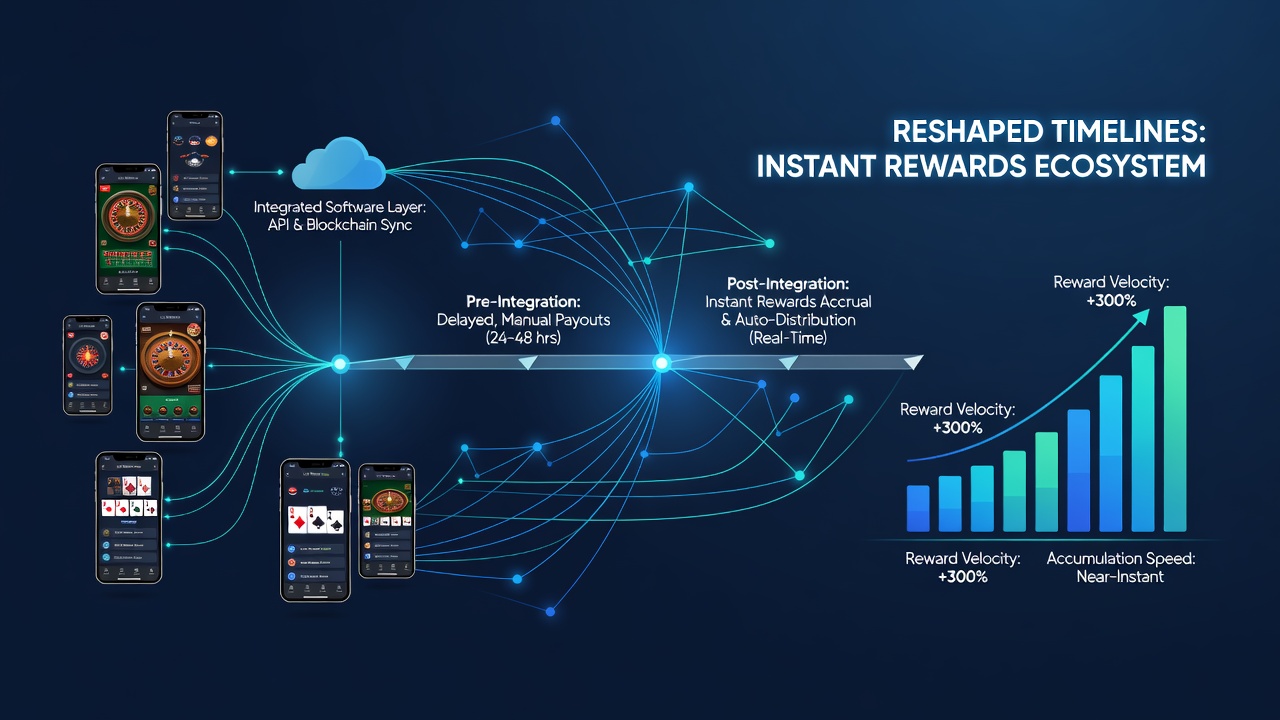
Take one operator that connected its mobile application to a unified event bus shared with the live dealer studio software; within weeks the system began logging every wager outcome as a discrete data packet that fed straight into the loyalty ledger. People who tracked their activity across multiple tables found that points from separate games aggregated without the previous manual reconciliation step, and this pattern held steady through October 2026 when additional operators completed similar rollouts. The technical change also reduced discrepancies that once arose when network latency interrupted older sync routines.
Regional Variations in Adoption and Outcomes
Adoption rates differ across jurisdictions because regulatory frameworks influence how quickly operators can deploy new software layers. In markets with streamlined testing protocols for gaming applications, integrations moved from pilot stages to full deployment within six months, whereas other areas required extended validation periods that delayed the benefits until late 2026. Yet the underlying software architecture remains consistent: modular components that slot into existing live dealer frameworks without requiring full platform replacements.
One study published in the Journal of Gambling Studies examined data streams from integrated systems and found that reward accumulation frequency increased most sharply during high-volume periods, when multiple tables operated simultaneously on the same mobile backend. The analysis attributed the improvement to parallel processing threads that handle video metadata and betting records in tandem rather than sequentially. Participants in those environments therefore accumulated qualifying thresholds for tiered rewards at a steadier rate throughout extended sessions.
Conclusion
Recent software integrations continue to compress the interval between live dealer game events and reward registration on mobile platforms, and the pattern established through 2025 and into October 2026 points toward further refinements as additional operators connect their systems to shared data standards. These developments rest on concrete technical linkages rather than isolated changes, and they affect accumulation timelines across different game types and device types in measurable ways. Continued monitoring of platform metrics will show whether the current pace of integration sustains the observed reductions in processing delays.